

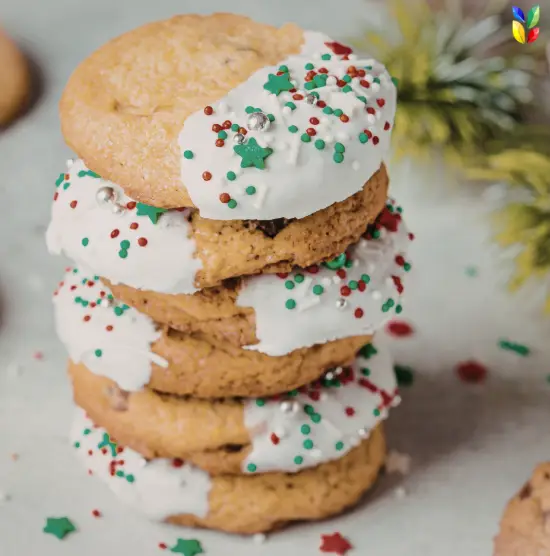
Halloween is three weeks from shipment. Your seasonal decorated products are either in production or already late. Natural colored sprinkles are the single-ingredient type that will separate a strong Q4 from a scrambled one. September is your last month to lock in that supply.
The global sprinkles market is projected to reach $1.9 billion in 2026. Seasonal windows represent 63.2 percent of total annual confectionery sales. That volume is moving right now. Natural colored sprinkles carry longer lead times than synthetic ones. FDA dye deadlines are four months out. Retailers are already rejecting seasonal submissions that list artificial colors on the ingredient panel.
This post is for procurement managers, operations managers, and CFOs who own the ingredient order for seasonal production. If your Q4 sprinkle order is not confirmed, this is a post you should have read last week.
September Is the Last Window, Not a Planning Month
Most procurement teams treat September as the month they finalize Q4 plans. For natural colored sprinkles, September is the month those plans either execute or fail.
Halloween product hits retail shelves in early October. That means decorated goods production runs in September. That means your sprinkle order needed to be confirmed in August and is shipping right now.
The National Confectioners Association reports that Halloween is the single largest confectionery sales event of the year, with Americans spending more than $3 billion on candy and confectionery alone. That volume comes from production runs that start 10 to 12 weeks before October 31. The decorated cookies, cupcakes, donuts, and specialty bakery items that anchor those shelves need sprinkles, nonpareils, and seasonal blends that are clean label, vibrant, and compliant.
Thanksgiving production follows in October. Christmas runs start in November. Every week you wait in September compresses the production window for the two highest-volume seasonal events of the year.
Why Natural Sprinkle Lead Times Catch Procurement Teams Off Guard
Operations managers used to synthetic dye-based sprinkles work on two to three-week lead times. Natural colored sprinkles do not. Understanding why matters because it changes how you plan your September order.
Natural color pigments from vegetable juice, annatto extract, spirulina extract, turmeric, and beta-carotene require more processing steps than FD&C dyes. Each pigment is extracted, stabilized, and applied to the sugar substrate at specific temperature and humidity conditions to lock in vibrancy and prevent bleed. Quality control at each step adds time. For finished seasonal sprinkle blends, lead time from a qualified supplier runs four to six weeks from confirmed order.
For Halloween, that window closed in mid-August. If your order is not confirmed, the question now is whether your supplier holds finished stock. FoodGrid stocks finished inventory of naturally colored sprinkles, nonpareils, and seasonal blends specifically because September demand is predictable and procurement teams consistently run late. Stock orders ship faster than production orders. But stock is finite, and Q4 demand across the industry peaks at the same time.
The sooner you confirm, the more options you have. Call this week, not next week.
Retailers Are Rejecting Seasonal Submissions with FD&C Dyes on the Panel
Lead time is one reason to move in September. Retailer requirements are another, and this one has a hard deadline attached.
Major grocery chains, club stores, and foodservice operators have added synthetic dye restrictions to their seasonal product submission standards. A decorated cookie line submitted for a Halloween seasonal set that lists Red 40, Yellow 5, or Yellow 6 on the ingredient panel faces buyer rejections that did not exist two years ago. The brands that completed their natural color transition earlier this year are winning those seasonal placements. The ones still on FD&C dyes are defending existing shelf space, not gaining new ground.
The International Food Information Council documents consistent consumer preference for products labeled free from artificial colors. Retail buyers respond to that data in their seasonal buying decisions. For procurement managers responsible for seasonal SKU performance, the ingredient panel on a new submission is now a commercial variable, not just a compliance checkbox.
The FDA has targeted the removal of Red 40, Yellow 5, Yellow 6, Blue 1, Blue 2, and Green 3 from the U.S. food supply by the end of 2026. That deadline is four months away. Seasonal products submitted to retail buyers in September and October are the first products that need to reflect the new standard. Those that do not face a harder approval path than they would have faced twelve months ago.
The Seasonal SKUs to Confirm This Week
Not all seasonal lines carry the same urgency in September. Prioritize in this order.
- Halloween lines ship first. Orange, black, purple, and white are the primary color needs. Naturally colored sprinkles and nonpareils in Halloween blends are the highest-demand, shortest-window items of the entire Q4 calendar. If you do not have these confirmed, contact FoodGrid today. Stock is available but moving fast.
- Thanksgiving lines follow in October production. Warm tones, brown, gold, orange, and white across decorated cookies, seasonal bakery items, and confectionery gift sets. Natural sanding sugar in warm seasonal palettes and naturally colored nonpareils in autumn blends are the primary ingredient needs. Confirm these in September while Halloween production is running.
- Christmas lines require the widest color range. Red, green, white, gold, and mixed holiday blends. Red is the most straightforward to source naturally. Green with any blue shift uses spirulina extract, which has been supply-constrained since mid-2026 as major brands complete their FD&C phase-outs. Christmas seasonal blends that include green shades need confirmed orders placed now, not in October.
- Custom and private label seasonal blends carry the longest lead time. If you need a color combination that is not a standard stock item, production time runs six to eight weeks from specification approval. That window is closed for Halloween. For Thanksgiving and Christmas custom blends, the conversation needs to start this week.

The FDA Deadline Makes This a Permanent Change, Not a Seasonal One
The seasonal lines you reformulate for Q4 2026 need to stay reformulated for Q1 2027, Q2 2027, and every season that follows. California’s Red Dye No. 3 ban takes effect in early 2027. West Virginia’s seven-dye grocery store ban is moving through litigation toward its 2028 effective date. More than 25 states have active legislation targeting artificial colors. The retailers adding synthetic dye restrictions to seasonal submissions in September 2026 will add them to standard range submissions in 2027.
Procurement managers who lock in natural colored sprinkles as their permanent specification this Q4, document the supplier relationships, and set reorder windows based on natural color lead times will not be having this conversation again next August. Those who treat this as a seasonal workaround will run the same scramble in twelve months.
Persistence Market Research projects the natural food colors market growing at 7.4 percent per year and reaching $3.8 billion by 2033. The supply base is scaling, but demand is outpacing it in constrained categories. Locking in a supplier relationship now means better pricing, more reliable lead times, and priority allocation as the market tightens heading into 2027.
What to Require from Your Sprinkle Supplier Before You Confirm
Natural colored sprinkles carry more supplier variability than FD&C-dye products. Run this checklist before you place a seasonal order with any supplier.
- Full colorant source disclosure. You need the specific pigment source for every color in the blend. Vegetable juice, annatto, spirulina, turmeric, and beta-carotene each carry different stability profiles and lot-to-lot variability ranges.
- Color specification range per lot. Ask for the documented acceptable variance per batch. Seasonal blends that shift color between lots create production line problems and retail appearance inconsistencies.
- Certificate of Analysis per batch. Covering color specification, moisture, and microbiological standard. Required for most retail customer compliance audits.
- Allergen statement. Written declaration for the product and the facility. NON-GMO Project Verification, soy-free, nut-free, dairy-free, and gluten-free status should all be documented, not assumed.
- Kosher and vegan certification. Required for a growing number of retail channel submissions and foodservice accounts. Confirm before you commit to volume.
- Seasonal blend stability data. Ask whether the supplier has tested color stability under your storage conditions. Natural pigments behave differently from FD&C dyes under heat, humidity, and light exposure.
FoodGrid’s naturally colored sprinkles are NON-GMO Project Verified, soy free, nut free, dairy free, gluten free, vegan, vegetarian, and kosher certified. Full documentation including COA, allergen statement, colorant source disclosure, and specification sheet is ready before your first delivery.
What FoodGrid Has in Stock for Q4
FoodGrid stocks and ships the full range of naturally colored sprinkles, nonpareils, and seasonal blends for Halloween, Thanksgiving, and Christmas production runs.
- Non-GMO Natural Sprinkles use 100 percent natural ingredients colored with vegetable juice, annatto extract, spirulina extract, turmeric, and beta-carotene. Available in rainbow, holiday, and seasonal formulations in 10, 25, and 50 lb sizes. No artificial preservatives, no hydrogenation, no FD&C dyes.
- Natural Colored Nonpareils are available in a full color blend and individual shades, all plant-derived. Direct drop-in for conventional nonpareils in icings, coatings, cookie decorations, and confectionery toppings. Same application, same equipment, same coverage rate.
- Natural Seasonal Blends are available in Halloween, Thanksgiving, and Christmas formulations. Stock blends ship faster than production orders. Custom color combinations are available with a six to eight-week lead time from specification approval.
- Natural Sprinkle Shapes include sequins, confetti, hearts, stars, bats, ghosts, pumpkins, snowflakes, and Christmas trees, all in natural colors. In-stock items are available for immediate order confirmation.
All products ship with full compliance documentation. New customers receive $200 off their first order across all categories.
Confirm Your Q4 Order This Week
Three weeks remain until Halloween goes into retail. Thanksgiving production starts next month. Christmas is ten weeks away. Natural color lead times do not compress the way synthetic dye lead times do. September is the last window to secure your Q4 sprinkle supply.
FoodGrid carries seasonal naturally colored sprinkles, nonpareils, and seasonal blends in stock. Orders are confirmed fast, ship with full documentation, and trial quantities are available at no charge for any new seasonal formulation.
Request a sample or connect with our ingredient team at foodgridinc.com.
Real Ingredients. Smarter Solutions.