




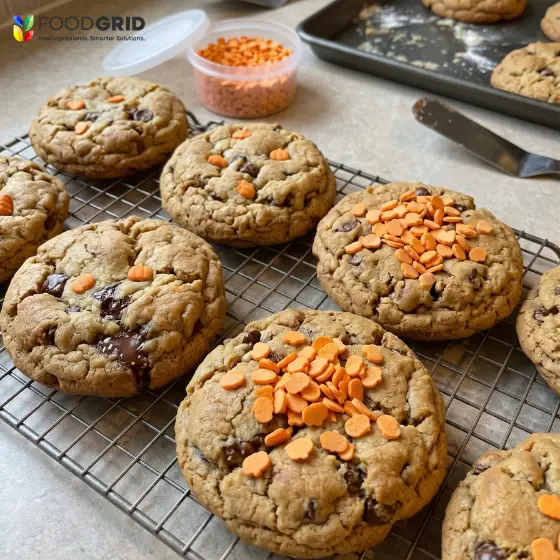
Every other color in the natural sprinkle catalog has gotten easier to source over the past few years. Black, orange, and purple have not. These three shades sit at the center of nearly every Halloween product on the market, and they remain the hardest colors to build well from plant based pigment. If your October production calendar depends on them, this is the month to know exactly what your supplier can deliver.
Halloween is not a small seasonal blip. Coverage of the National Confectioners Association’s State of Treating research, reported by Bake Magazine, found that the four biggest candy seasons, Valentine’s Day, Easter, Halloween, and the winter holidays, account for well over half of all confectionery sales in a given year. Bakeries competing in this window cannot afford a color that looks muddy, fades on the tray, or forces a last-minute switch back to a synthetic dye.
Why Black, Orange, and Purple Are the Hardest Natural Colors to Build
Most natural colored sprinkles start from a handful of reliable base pigments: beet juice for red and pink, turmeric for yellow, spirulina for green and blue. Black, orange, and purple each require a different approach.
Black needs a very dark, dense pigment, usually built from vegetable carbon or a blended dark fruit source, layered carefully so the final shade reads as true black rather than a dark brown or gray under bakery lighting.
Orange looks simple on paper but is deceptively hard to nail. Too much yellow base and it reads as gold. Too much red base and it drifts toward a rust tone that does not match the bright pumpkin orange shoppers expect from a Halloween product.
Purple is the trickiest of the three. Natural purple pigment sources, typically built from purple carrot, black carrot, or certain berry extracts, can shift toward blue or pink depending on the pH of the product they are used in. A purple sprinkle that looks perfect in a neutral base can shift noticeably once it sits on top of a more acidic cookie or frosting.
What This Means for Your October Sourcing Decision
A supplier who can only produce a passable version of these three colors is not ready for your full Halloween volume, even if their standard rainbow blend looks great. Confirm the following before committing.
Request a color match under your actual product conditions. A raw sprinkle sample in packaging tells you very little about how black, orange, or purple will look once baked onto a cookie or piped into a frosting. Ask for a baked sample or an application-specific test, not just a loose sprinkle swatch.
Ask how the supplier controls purple’s pH sensitivity. A supplier who cannot explain how they stabilize purple across different base products has likely not tested it thoroughly at scale.
Confirm batch-to-batch consistency specifically for these three colors. Natural pigments carry more inherent variation than synthetic dyes, and that variation tends to show up first in the hardest colors to produce. Request the documented acceptable color range per lot for black, orange, and purple specifically, not just for the supplier’s easier colors like red or green.
The Clean Label Advantage Still Applies at Halloween
All natural sprinkles and natural dye sprinkles solve the same labeling problem at Halloween that they solve the rest of the year. Nontoxic sprinkles positioning matters even more during a season built around children’s treats, and a growing number of retail buyers and school programs now expect a full clean label claim before they approve a seasonal item, not just a year-round one.
This means a bakery cannot treat Halloween as an exception where synthetic dye is acceptable because the colors are harder to produce naturally. The same non-GMO sprinkles and organic sprinkles expectations that apply to a spring or back-to-school product apply just as much to a black cat cookie or a purple ghost cupcake.
Building a Full Halloween Palette Without Gaps
Most Halloween product lines need more than just black, orange, and purple. A full seasonal palette typically includes a natural colored sprinkles blend covering these three anchor shades alongside a supporting white, green, or a natural shape line for pumpkins, bats, and ghosts. Sourcing the hardest colors from one supplier and filling in the rest from another creates a real risk of mismatched shades sitting side by side on the same product.
A single supplier who can deliver the full range, including the three hardest colors, at the batch consistency your production line requires, removes this risk entirely and simplifies your October purchase order to one line item instead of several.
Shoppers Notice a Mismatched Palette Faster Than You Think
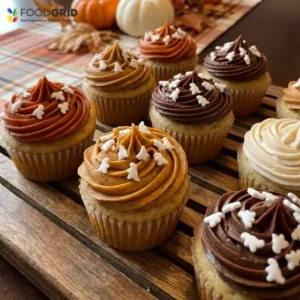
Research on packaging and shelf standout consistently finds that color is one of the fastest signals a shopper processes at the point of purchase. Coverage from Girard Media on packaging design cites research showing the human brain processes color far faster than text, which means an off-shade Halloween sprinkle gets noticed before a shopper reads a single word on the package. A muddy black or a washed-out purple does not just look slightly off. It reads as a lower-quality product next to a competitor with a cleaner, more saturated palette.
This matters even more in a category as visually driven as Halloween, where shoppers actively seek out the most vivid, theatrical colors on the shelf. A bakery competing on flavor and packaging alone, without matching color quality, gives up ground it does not need to concede.
Natural Colorant Research Continues to Close the Gap
The performance gap between natural and synthetic colorants in difficult shades like black, orange, and purple has narrowed considerably in recent years. The Institute of Food Technologists continues to publish research into natural colorant stability and pigment blending techniques, work that has directly improved how consistently suppliers can now reproduce these harder shades at commercial volume. A supplier relying on outdated formulation methods may still struggle with these colors in ways that current natural colorant science has already solved.
Confirm Capacity Now, Not in Three Weeks
Halloween production compresses into a short window. A supplier who can produce a small batch of black, orange, and purple sprinkles for a sample request may not have the capacity to deliver the same quality at full commercial volume on short notice. Confirm production capacity and lead time for these three specific colors now, while your team still has room to adjust the plan if a supplier cannot meet it.
Common Questions From Procurement Teams
Does natural black cost more than synthetic black? Usually yes, since dense dark pigments require more concentrated natural colorant input than a synthetic dye. Weigh that premium against the retail listings and school program requirements that increasingly reject synthetic black entirely.
Can natural purple be stabilized for every product type? In most cases, yes, but confirm this specifically for your base product rather than assuming a supplier’s general purple line will hold up. A stabilized purple tested only in a neutral cookie base may still shift in a more acidic frosting or fruit filling.
Should we order Halloween color volume earlier than other seasonal colors? Yes. Black, orange, and purple take longer to formulate and test properly than simpler colors, and suppliers see a surge in requests for these exact shades every September and October. Confirm your order early in the month to avoid a capacity conflict later.
What to Require in Writing Before You Commit Full Volume
- Baked or application-specific color samples for black, orange, and purple, not just loose sprinkle swatches
- Documented pH stability data for purple, confirmed across the specific base products you plan to use it in
- Batch-to-batch color variance range specific to these three shades
- Certificate of Analysis per batch, covering color, purity, and particle size
- Confirmed production capacity and lead time for full Halloween volume, not just a sample order
FoodGrid Supplies the Full Halloween Palette
FoodGrid’s natural colored sprinkles line covers the full Halloween spectrum, including stable black, true orange, and pH-tested purple, backed by full batch documentation. Our Research and Development team can confirm color performance under your actual bake conditions before you commit to full volume.
Our Purchasing team can confirm production capacity for your full Halloween order today, and our Quality Control group backs every batch with documentation your team can rely on.
Request a Sample Before Halloween Production Locks In
Do not let a weak black, orange, or purple undercut a Halloween line your team spent months developing. FoodGrid ships baked sample sets with full documentation ready before your first bulk order.
Request a sample or connect with our ingredient team at FoodGrid Inc.
Real Ingredients. Smarter Solutions.


