




Your Puff Pastry Leaves the Bakery Perfect — Then Arrives Flat, Soggy, or Tough. Why?
Commercial manufacturers know the frustration:
Your puff pastry comes out of the oven beautifully laminated — crisp layers, golden lift, and a clean snap. But after 2–6 weeks in distribution, it reaches retailers:
- noticeably softer
• layers stuck together
• oily or waxy on the bite
• lacking the crisp flake customers expect
This isn’t a mystery.
It’s the predictable result of moisture migration, fat phase changes, and temperature cycling affecting the laminated structure. And the most overlooked variable — your puff pastry margarine — is usually the root cause.
This article explains why laminated pastry collapses during shipping and how a properly engineered puff pastry margarine locks in lift, flakiness, and crispiness for the full shelf life.
- The Challenge: Flake & Crispiness Loss in Puff Pastry During Transport
Puff pastry is uniquely vulnerable because its signature structure depends on intact layers of dough and fat. During distribution, manufacturers report:
- “Flaky layers fuse halfway through distribution.”
- “Pastry loses its crispness within a week.”
- “Humidity makes pastry leathery or limp.”
- “Fat migrates, causing greasiness or waxy mouthfeel.”
- “Lift collapses after temperature swings.”
These failures occur even when production is perfect:
✔ ideal lamination
✔ target water activity
✔ correct bake-off conditions
✔ validated packaging
But shipping adds stresses the pastry wasn’t designed to handle:
- humidity spikes in warehouses
- hot–cold temperature cycling disrupting fat crystals
- vibration that accelerates layer compression
- micro moisture shifts between dough, fat, and headspace
For long distribution chains, texture stability must be engineered at the lamination-fat level — not after the fact.
- Why Moisture Migration & Fat Recrystallization Destroy Puff Pastry Layers
Puff pastry texture depends on:
- distinct dough/fat layers
- controlled steam generation
- stable fat crystals
- crisp, dry lamina after bake
During shelf life, natural physical changes undo this structure.
Moisture Migration Flattens Layers
Water moves from areas of higher Aw to lower Aw — especially between:
- inner dough layers
- surface crust
- inclusions (if any)
- packaging environment
This leads to:
- loss of flake (layers soften and stick)
- leathery bite
- soggy bottoms
- reduced crispiness, even if the product still looks intact
Fat Polymorphism (Fat Crystal Changes)
Puff pastry lives or dies by fat crystallization. Temperature cycling converts fat from desirable β′ crystals into unstable β crystals, causing:
- waxy texture
- greasy exudation
- compromised lamination integrity
- uneven lift
Surface Moisture Exchange with Packaging
Even barrier films allow minimal moisture passage. Over weeks:
- crisp layers soften
- caramelized surfaces become tacky
- the pastry loses its delicate shatter
Conclusion:
If the lamination fat cannot stabilize moisture and resist recrystallization, the puff pastry texture will deteriorate during shipping.

How Specialized Puff Pastry Margarine Preserves Flake, Lift & Crispiness
Generic baking margarine is not designed for laminated dough.
A true puff pastry margarine is engineered specifically to withstand:
- repeated folding
- extended distribution
- humidity swings
- temperature cycling
Here’s how it protects pastry integrity:
Emulsifiers Reduce Moisture Migration Inside the Laminate
Puff pastry margarine uses an optimized emulsifier system to:
- bind free moisture
- reduce water transfer between layers
- maintain crispness without softening
- prevent dough layers from fusing
This is critical for maintaining distinct, flaky layers weeks after production.
Stable β′ Crystal Structure Maintains Layer Separation
High-quality pastry margarines are built with fats that crystallize into a stable β′ structure, which:
- supports clean lamination
- creates sharp, well-defined layers
- prevents fat bloom and waxiness
- resists recrystallization under temperature cycling
Unstable β crystals cause:
- greasy mouthfeel
- layer collapse
- loss of lift
A β′-dominant structure is essential for shipping resilience.
Controlled Melting Curve Ensures Proper Steam Generation & Crispiness
A puff pastry margarine’s melting profile is engineered so that fat:
- remains solid during lamination and early baking
- allows a proper steam-driven lift
- delays melt to maintain structure
- resists softening during warm transportation conditions
This prevents:
- premature melting → layer fusion
- sogginess in warm trucks
- inconsistent lift
Fat-Based Barriers Protect Layers from Humidity
During baking, specialized pastry margarine forms micro moisture-resistant barriers that slow:
- ambient humidity absorption
- crust softening
- flake collapse
This is especially important for:
- ready-to-eat baked puff pastry
- par-baked products
- filled pastries where internal moisture can migrate outward
- Real-World Formulation & Lamination Adjustments for Shelf-Stable Puff Pastry
When texture degradation becomes a recurring issue, R&D teams typically adjust:
Fat System Selection
Switching to a properly engineered puff pastry margarine with:
- higher solids at storage temperature
- stable β′ crystal profile
- lamination-optimized plasticity
- targeted emulsifier matrix
…often yields immediate improvements without changing the dough formula.
Water Activity Control in Dough
Optimizing:
- flour hydration
- sugar type
- salt levels
- inclusions with matched Aw
…helps ensure internal moisture doesn’t migrate into crisp layers.
Using Protective Coatings
Thin fat-based coatings (e.g., cocoa butter fractions, pastry glazes) act as humidity buffers, especially for high-humidity shipping zones.
Realistic Shelf-Life Testing
Effective testing includes:
- temperature cycling (10°C ↔ 30°C)
- controlled humidity exposure
- mechanical stress simulation
- flake-strength compression tests
- Aw drift measurement
These replicate real distribution challenges.
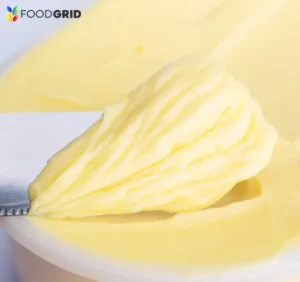
FoodGrid Solutions for High-Performance Puff Pastry Texture Stability
FoodGrid develops fat systems engineered specifically for laminated dough and long distribution channels.
✔ Custom Puff Pastry Margarine Blends
Designed for:
- crispiness retention
- clean lift and flake structure
- stable β′ crystal formation
- controlled plasticity for high-speed lamination
- minimal post-bake moisture gain
Ideal for:
- puff pastry sheets
- croissant-style laminated products
- par-baked pastries
- filled laminated pastries
Learn more: 👉 https://foodgridinc.com/
✔ Margarine Systems for Par-Baked & Ready-to-Eat Pastry
These systems offer:
- enhanced flake retention during shelf life
- improved resistance to humidity and temperature cycling
- reduced waxiness over time
- consistent lift after reheating
✔ R&D Support for Laminated Dough Manufacturers
FoodGrid provides:
- lamination troubleshooting
- fat phase optimization
- Aw mapping for multi-layer moisture control
- pilot-scale testing for new margarine systems
- custom melting-curve engineering
If your puff pastry loses flake, lift, crispness, or structural integrity during transit, we can pinpoint the cause — and build a fat system that performs reliably.
Explore our services: 👉 https://foodgridinc.com/
References
Institute of Food Technologists (IFT) — Moisture migration in baked pastries
USDA ARS — Starch retrogradation and structural changes
Journal of Food Science — Fat crystallization and polymorphism
AACC International — Methods for Aw, texture, and flake analysis
American Oil Chemists’ Society (AOCS) — Emulsifier and fat functionality
Final Thoughts: Puff Pastry Texture Stability Starts With the Right Margarine
Shipping destroys puff pastry only when its fat system allows it.
With the right lamination fat, manufacturers can design pastries that:
- stay crisp
- maintain flake
- survive humidity swings
- resist waxy or greasy texture
- protect delicate layers
- maintain sensory quality through long distribution cycles
Your puff pastry margarine is not just a fat — it’s the structural anchor of your product’s lift and crispiness.
Protect Your Puff Pastry From Texture Loss
If your puff pastry loses flakiness, becomes soggy, or collapses during distribution, FoodGrid can engineer a lamination fat system that locks in texture from production to retail.
👉 Schedule a formulation consultation with our specialist.
Your pastry should taste as exceptional at retail as it does the day you bake it.