


A single allergy incident in your product line can ruin careers, recall products, and undermine the trust built over years. As a snack and dessert manufacturer operating large production lines, food safety measures such as allergen management cannot just be another tick box – it is the very basis of everything you do. And with the added complexity of soy-free and nut-free inclusion criteria, things quickly escalate.
But there’s hope. With the right ingredients, sources, and processes, managing allergens becomes feasible. Let us guide you through the process.
Why Allergen Control in Confectionery Is Harder Than It Looks
Allergen control is often thought to simply mean excluding certain food components from the recipe. But this is not true. In a production facility that makes confections on a large scale, cross-contamination occurs at all transition points – shared machinery, airborne dust, dirty conveyors, and even packaging areas.
The FDA’s Food Safety Modernization Act (FSMA) mandates that all food companies must ensure that their processes include proper identification and prevention of hazards, which can be both biological and physical, by writing down these procedures.
By introducing the inclusion ingredients, such as natural-colored sprinkles or nonpareils, you expose yourself to third-party factors that may affect your allergen management. You are multiplying risks rather than adding them. Your product is no longer a clean line if your vendor is unable to show you a record of allergen-free production.
The Problem with Conventional Sprinkles
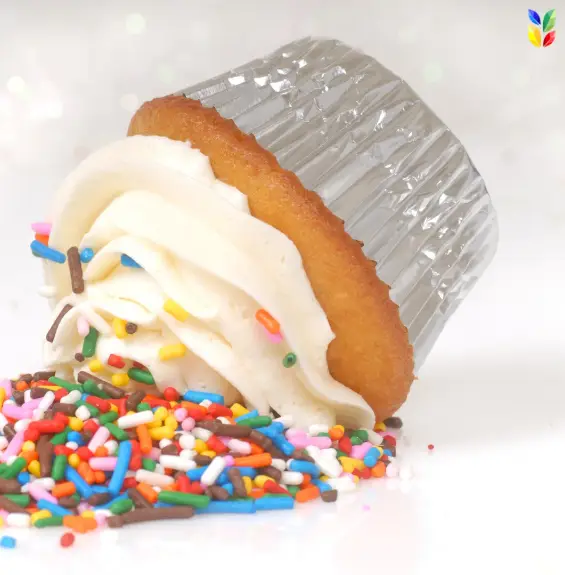
Many traditional candy sprinkles and nonpareils include soy lecithin as a coating agent. Some of these sprinkles include tree nut oil. Others have been made using a machine that also produces peanut-based products, with only general sanitation done between batches.
It is no longer adequate to meet market demands. It is no longer adequate for your quality assurance department. And it certainly does not meet the expectations of your consumers, based on your labeling.
Even beyond the matter of allergens, many conventional sprinkle products employ artificial FD&C colorings such as Red 40, Yellow 5, and Blue 1. Clean-label shoppers will never accept them. Even retail buyers have begun calling attention to their inclusion in products. And foreign markets will not accept them at all.
The move towards clean-label sprinkles is not something to follow because of the trends. It is now necessary to compete in the marketplace.
What “Allergen-Free” Actually Requires from Your Supplier
In searching for inclusion suppliers for soy-free or nut-free products, it’s not enough to find an ingredients list that excludes these allergens. Controls must be documented. Here are your requirements:
Dedicated lines for allergen-free manufacturing. No shared lines with changes for allergens. Dedicated lines – period. It’s not negotiable. Any supplier without it creates an unacceptable risk.
Third-party allergen testing. Self-certification from the supplier won’t cut it. Your contract needs ELISA or PCR verification of zero presence of soy protein and tree nut proteins at or under 10 parts per million (ppm).
A SQF or BRC certified facility. Both of these programs, recognized by the Global Food Safety Initiative (GFSI), require strong allergen management protocols. Certified facilities have been audited independently. Non-certified facilities have not. There is a big difference.
Total transparency in ingredients. Everything that goes into the sprinkle – glazing agents, flow agents, and carrier oils included – should be disclosed and confirmed as allergen-free. Soy lecithin lurks in glazes. Almond oil sneaks in through release agents.
The Food Allergy Research & Education (FARE) organization provides guidance for food manufacturers on best practices for allergen control in shared and dedicated facilities. It is a practical resource for your QA team.

Natural Colors: The Stability Challenge You Cannot Ignore
Moving towards clean-label sprinkles will entail the adoption of natural coloring systems. This would be simple, but only when the product is exposed to an oven temperature of 350 °F.
It has been noted that natural colors, which include those extracted from turmeric, spirulina, beetroot, carrots, and butterfly pea flower, have very low levels of heat, pH, and light resistance. In this regard, a sprinkle that appears bright under ambient conditions may appear dull, greyish, or even colorless after baking.
However, natural food coloring system stability is not always a coincidence. On the contrary, it takes formulation skills for a stable color to result. Encapsulation technologies, where the colorant is covered in a heat-resistant layer, have been found to work best in heat-stable foods.
When evaluating suppliers, ask specifically about:
- The heat range for which their natural color systems are validated
- Color retention data after bake cycle exposure (time and temperature)
- pH sensitivity ranges for the colors used
- Shelf life stability data under typical packaging and storage conditions
Natural food color stability is measurable. Reputable suppliers have the data. If they cannot produce it, walk away.
According to the Institute of Food Technologists (IFT), advances in encapsulation and co-pigmentation have significantly improved the performance of natural colorants in processed food applications. This is a fast-moving technical area — your supplier should be current on it.
Soy-Free Integration: Line-Level Considerations
Even if you source the right clean-label sprinkles, your own line can introduce soy contamination if you are not careful. Here is where manufacturers create problems for themselves:
- Shared depositors and applicators. If your inclusion application equipment handles soy-containing products on other runs, you need validated cleaning procedures and documented verification before running soy-free SKUs. A visual inspection is not a validated procedure.
- Air handling. In high-speed lines, powdered inclusions become airborne. Soy flour, soy protein isolate, and soy lecithin can all travel through shared air systems and deposit on adjacent lines. If you run soy-free products in proximity to soy-containing operations, evaluate your air handling system.
- Packaging zones. Cross-contact does not only happen in processing. Shared filling equipment, packaging film reels, and labeling stations can all be contamination points. Trace your allergen control program all the way through packaging.
- Supplier delivery and storage. Receiving soy-free inclusions into a facility that also handles soy requires segregated receiving, labeled dedicated storage, and first-in-first-out (FIFO) management under documented procedures.
Nut-Free Protocols: What the Label Demands
“Nut-free” on a label is a legal and moral commitment. Consumers with tree nut or peanut allergies make purchasing decisions based on it. Anaphylaxis is the consequence of getting it wrong.
For your inclusion supplier, nut-free means:
- No peanuts, tree nuts, or nut-derived ingredients in the product
- No manufacturing on lines that process peanuts or tree nuts
- No facility-level cross-contact risk from shared air, equipment, or personnel practices
For your own facility, nut-free production of any decorated or inclusion-bearing product requires documented zoning, cleaning validation, and employee training on allergen handling. The Food and Drug Administration’s Allergen Guidance for Industry is the standard reference.
Do not rely on your supplier’s “nut-free” claim without documentation. Request their allergen control plan. Review their cleaning validation records. If they are GFSI-certified, request the most recent audit summary.
Choosing the Right Inclusion Partner
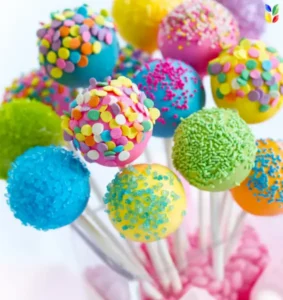
Food Grid Inc. deals directly with candy producers requiring a reliable source of allergen-free inclusions for bulk manufacturing. They have sprinkles and nonpareils made from natural coloring systems that do not contain any artificial colors such as FD&C dyes, soy lecithin, or nuts – with all the supporting documents.
The Food Grid range of products includes natural nonpareils and natural colored sprinkles for depositing purposes and baking, which can be helpful for R&D staff in developing nut- and soy-free products.
QA professionals can count on obtaining all the necessary information from the supplier as an integral part of working with the manufacturer, rather than getting special requests for this information.
A Practical Audit Checklist for Your QA Team
Before you approve any inclusion supplier for soy-free or nut-free production, run through this checklist:
- Dedicated allergen-free production line confirmed in writing
- Third-party ELISA or PCR allergen testing on file (per lot or per batch)
- SQF, BRC, or equivalent GFSI certification is current
- Full ingredient disclosure, including all processing aids and glazing agents
- Heat stability data for natural color systems at your specific bake temperature and time
- Shelf life stability data under your packaging and storage conditions
- Written allergen control plan available for review
- Cleaning validation procedures documented and verifiable
If any item on that list is missing, the supplier is not ready for your allergen-sensitive line.
What This Means for Your Product Development Process
Allergen considerations must be part of your R&D process from the beginning, when choosing ingredients. This requires specifying non-allergen inclusions in the very beginning of the process, as well as testing their color functionality within your bake environment and verifying shelf life.
If you’re looking for a product using all-natural colors, it can be successfully implemented in your product offering only through a carefully formulated product from a reliable supplier. Only such products have been validated by tests showing the stability of food colors in the finished product.
Request samples. Test your bake recipe cycle. Evaluate color stability after 30, 60, and 90 days of storage in the package.
Final Word
Cross-contamination in the candy industry is not something that happens just on paper. This is an issue that has led to many cases of recalls, lawsuits, and injuries. When a company makes a claim that their products are soy-free or nut-free, there are expectations placed upon them that must be met.
Companies that get this right are not performing any sort of miracles. What they are doing is sourcing from reliable suppliers, having proper documentation and validation procedures, and making sure they do not take shortcuts.
Ready to Source Allergen-Free Inclusions for Your Line?
Connect with our specialist. or request product samples. Bring your bake specs. We will bring the data