



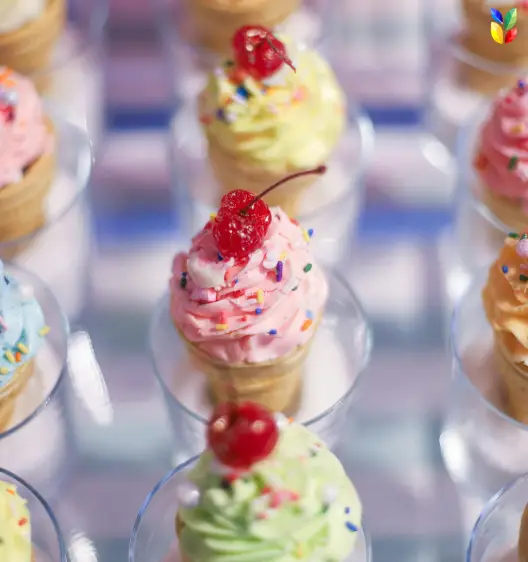
Color sells. In the bakery case and e-commerce platforms, colorful sprinkles convey excitement, indulgence, and high-end value. However, for R&D professionals and product owners, the true choice is not color, but chemistry. The choice between artificial and natural sprinkles is no longer a matter of cost. It’s a formulation decision that impacts labeling, regulatory issues, shelf life, brand strategy, and growth.
Artificial vs. Natural Sprinkles: A Strategic Overview
Sprinkles are a seemingly simple product: colored sugar strings, nonpareils, and quins. However, they embody a complicated nexus of ingredient technology, cost control, regulatory requirements, and consumer demands.
Artificial sprinkles have been the industry standard for decades because of their cost-effectiveness, color strength, and shelf life. However, because of growing regulatory, retail, and consumer pressures, natural alternatives are gaining popularity.
For B2B stakeholders—R&D teams, private label brands, and bakery manufacturers—the decision between artificial and natural sprinkles impacts:
- Ingredient statements
- Allergen declarations
- Global compliance
- Shelf stability
- Heat tolerance
- Brand positioning
- Production scalability
- Cost structures
Let’s break this down systematically.
What Are Artificial Sprinkles?
Artificial sprinkles are typically composed of:
- Sugar or starch base
- Hydrogenated oils (in some formats)
- Artificial food dyes (FD&C colors such as Red 40, Yellow 5, Blue 1)
- Glazing agents (shellac, confectioner’s glaze)
- Anti-caking agents
Common Synthetic Colorants Used
- FD&C Red 40 (Allura Red AC)
- FD&C Yellow 5 (Tartrazine)
- FD&C Blue 1 (Brilliant Blue FCF)
- FD&C Yellow 6
- FD&C Red 3
These petroleum-derived dyes provide intense, stable color at low cost.
Advantages of Artificial Sprinkles
- Superior Color Intensity
Synthetic dyes produce highly saturated, consistent hues. For bright neon palettes or specific Pantone matching, artificial options offer unmatched precision.
- Thermal Stability
Artificial colors typically withstand baking temperatures without fading or browning. This is critical for:
- High-heat bakery applications
- Extended oven dwell times
- High-fat batters
- Lower Cost
Synthetic dyes are cost-effective and require lower inclusion rates. This reduces:
- Cost per pound
- Batch variability
- Sourcing complexity
- Shelf Stability
Artificial colors are less sensitive to:
- Light exposure
- Oxidation
- pH changes
They provide a longer finished product shelf life.
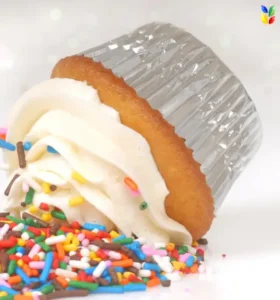
Disadvantages of Artificial Sprinkles
- Regulatory Scrutiny
The FDA governs synthetic dyes in the United States under the FD&C Act (U.S. Food & Drug Administration). Certain synthetic dyes are certified on a batch-by-batch basis (FDA, Color Additives Regulations).
In the European Union, certain artificial dyes must carry warning labels about possible effects on children’s behavior (European Food Safety Authority). are required to carry warning labels about potential
- Consumer Perception Risk
As stated by the International Food Information Council (IFIC), consumers are looking for products that do not contain artificial colors and additives.
Most of the retailers and natural big business chains usually limit the use of synthetic dyes.
- Clean Label Limitations
Artificial colors prevent:
- “No artificial colors” claims
- Clean label positioning
- Certain organic certifications
- Export Barriers
Some countries restrict or ban specific synthetic dyes, creating complications in multinational distribution.
What Are Natural Sprinkles?
Natural sprinkles use color derived from plant, fruit, vegetable, or mineral sources. These include:
- Beet juice (red/pink)
- Turmeric (yellow)
- Spirulina (blue/green)
- Annatto (orange)
- Purple carrot extract
- Paprika extract
- Carrot juice concentrate
- Fruit and vegetable blends
Instead of FD&C dyes, these use color additives exempt from certification under FDA regulations (21 CFR Part 73).
Advantages of Natural Sprinkles
- Clean Label Compliance
Natural sprinkles support:
- “No artificial colors”
- “Naturally colored”
- Clean ingredient statements
- Organic-compliant options (when certified sources are used)
This aligns with modern retail demands.
- Retailer Acceptance
Major retailers increasingly encourage reformulation away from synthetic dyes. Natural sprinkles open doors to:
- Natural grocery chains
- Premium bakery lines
- Better-for-you snack categories
- Kids-focused clean-label products
- Brand Differentiation
Natural inclusions support premium positioning. They signal:
- Transparency
- Ingredient integrity
- Ingredient sourcing credibility
This is especially relevant for challenger brands.
- Reduced Regulatory Complexity
Natural colorants typically avoid the batch certification requirements that apply to synthetic dyes (FDA, Color Additives Status List).
- ESG & Sustainability Alignment
Plant-based color sources can support sustainability messaging and corporate responsibility initiatives.
Disadvantages of Natural Sprinkles
Natural alternatives are not without formulation challenges.
- Heat Sensitivity
Many plant-derived pigments degrade under high heat.
Examples:
- Beet-derived red may brown
- Spirulina blue can fade
- Anthocyanins shift color under pH variation
This requires:
- Process validation
- Pilot runs
- Potential encapsulation strategies
- Higher Cost
Natural color sources are more expensive due to:
- Agricultural variability
- Extraction complexity
- Supply chain volatility
- Shade Variability
Color may vary seasonally due to crop differences.
This impacts:
- Brand color consistency
- Marketing expectations
- Cross-batch uniformity
- Light Sensitivity
Certain natural pigments degrade under UV exposure, affecting long shelf-life SKUs.
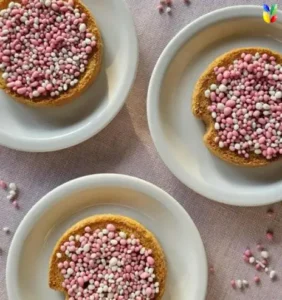
How Great Are Natural Sprinkles—Really?
From a strategic standpoint, natural sprinkles are not just “good”—they are transformational in specific market segments.
Here’s where they excel:
- Premium Bakery & Dessert Brands
Consumers expect premium brands to eliminate artificial dyes. Natural sprinkles support:
- Higher price points
- Elevated brand equity
- Trust-based marketing
- Children’s Product Reformulation
Parents actively avoid artificial dyes. Reformulating kid-targeted SKUs with natural sprinkles reduces backlash risk.
- Private Label & Retailer Mandates
Retailers increasingly implement clean label initiatives. Natural sprinkles future-proof formulations.
- Export-Oriented Manufacturers
Natural color systems simplify cross-border compliance.
Performance Comparison: Artificial vs Natural Sprinkles
| Criteria | Artificial | Natural |
| Color intensity | Excellent | Moderate to strong |
| Heat stability | High | Variable |
| Cost | Low | Moderate to high |
| Clean label | No | Yes |
| Regulatory complexity | Moderate | Lower |
| Retail acceptance | Decreasing | Increasing |
| Shade consistency | High | Moderate |
| Consumer perception | Mixed | Positive |
R&D Considerations When Switching to Natural
Transitioning to natural sprinkles requires structured validation:
- Thermal testing
- pH interaction analysis
- Water activity evaluation
- Shelf-life trials
- Supply chain qualification
- Allergen cross-contamination review
- Global compliance review
Encapsulation technology and optimized particle coatings can significantly improve performance.
Market Direction: The Data
- IFIC reports that a majority of consumers prefer recognizable ingredients.
- The Clean Label Project highlights increased scrutiny of synthetic additives.
- FDA continues to monitor and regulate synthetic dyes.
- The global natural food colors market continues to experience steady growth (Grand View Research).
The direction is clear: artificial dyes are stable today, but natural colors represent long-term strategic alignment.
Cost vs Risk: A Long-Term View
Artificial sprinkles reduce immediate COGS.
Natural sprinkles reduce:
- Regulatory risk
- Retail rejection risk
- Consumer backlash
- Reformulation risk later
For B2B brands, long-term brand equity often outweighs short-term ingredient savings.
Where FoodGrid Fits In
At FoodGrid, we specialize in sourcing high-performance ingredients and inclusions that support innovation without compromising regulatory compliance or scalability.
If you are evaluating natural sprinkles for reformulation or new product development, our network enables access to vetted suppliers with:
- Heat-stable natural color systems
- Organic-compliant options
- Custom color development
- Bulk B2B volumes
- Transparent documentation
Strategic Decision Framework for Brand Owners
Before deciding between artificial and natural sprinkles, ask:
- Is this SKU positioned as premium?
- Are we targeting natural grocery retail?
- Are we planning international expansion?
- Is reformulation likely within 3–5 years?
- Does our brand promise include clean label?
- What is the regulatory outlook for our core markets?
If the answer trends toward clean label alignment, natural sprinkles are not optional—they are strategic.
Final Assessment
Artificial sprinkles remain technically superior in vibrancy, cost, and stability.
Natural sprinkles win in:
- Brand equity
- Consumer trust
- Retail access
- Regulatory resilience
- Long-term positioning
For growth-oriented brands and forward-looking R&D teams, natural sprinkles are not just “great”—they are a calculated investment in future-proof formulation.
If your company is looking into reformulation or developing a new bakery product line, contact FoodGrid to assess high-performance natural sprinkle options designed specifically for B2B production. Click here to schedule a sourcing consultation or request a sample.