



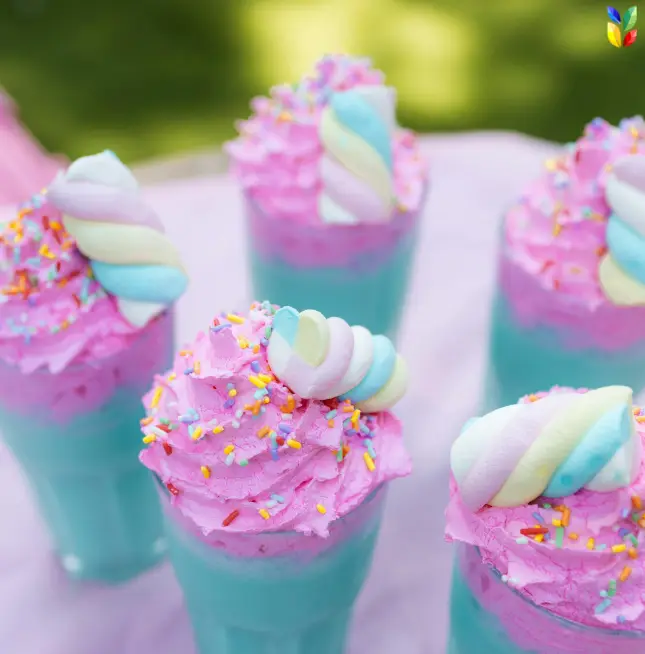
H1 — Reformulating for Natural Sprinkles: Maintaining Color, Texture & Shelf Stability
For instance, natural sprinkles are a premium, sensory-driven ingredient for a range of products from ice cream to bakery toppers. However, changing the formulations to include clean-label ingredients can be difficult when it comes to the brightness and texture that consumers have come to expect from these sprinkles. Therefore, this guide will be helpful for R&D teams and brand owners as it offers them science-based strategies for maintaining the brightness and texture of natural sprinkles.
Why Natural Sprinkles Demand a New Approach
For example, natural sprinkles are considered a premium, sensory-based ingredient that can be used in various products, such as ice cream, bakery toppers, etc. However, changing the formulation to accommodate clean label ingredients can be challenging, especially with regard to the brightness and texture that have become associated with natural sprinkles. Therefore, this guide will be beneficial to R&D departments and brand owners because it will give them scientific approaches to maintaining the brightness and texture of natural sprinkles.
Key Failure Modes And Formulation Levers
Color Vibrancy — Challenges And Fixes
- Challenges: Natural pigments (carotenoids, betalains, anthocyanins, chlorophylls) are sensitive to pH, heat, oxygen, and light. Carotenoids (annatto, paprika) oxidize and lose hue; anthocyanins shift color with pH; betalains (beet) can degrade with heat.
- Technical levers:
- Microencapsulation/lipid encapsulation (spray-drying with maltodextrin or lipid matrices) protects pigments from oxygen, light, and heat.
- Coating and layering via panning (multiple thin layers) allows pigment placement in an opaque sugar shell, improving apparent vibrancy.
- Use of natural stabilizers — tocopherols or ascorbic acid (as antioxidants), chelators (citric acid) — to slow oxidative loss.
- Opacity and whiteners: Where TiO₂ is restricted, use food-grade calcium carbonate or controlled sugar crystal size to increase opacity (validate label/region compliance).
- pH control: For pH-sensitive pigments (anthocyanins), maintain formulation pH and choose carriers that buffer microenvironments.
Texture — Keeping Snap And Mouthfeel
- Challenges: Sticky, soft, or soggy sprinkles result from high moisture, hygroscopic sugar syrups (invert sugar), or inappropriate crystal size.
- Technical levers:
- Control water activity (aw) during and after processing; target low aw for crispness.
- Crystal engineering: Use controlled sugar crystallization to produce a firm glassy matrix. Reduce invert sugar where possible, or encapsulate syrups.
- Clean-label anti-caking options: Rice starch, tapioca dextrin, or roasted rice flour can reduce surface tack without synthetic additives. Zein (corn protein) and pullulan provide natural film coatings for barrier and mouthfeel.
- Fat and coatings: Minimal fat-based overcoats (e.g., fractionated coconut oil blends, or natural lecithin) can reduce tack and give desirable bite — select ingredients that meet your clean-label policy.
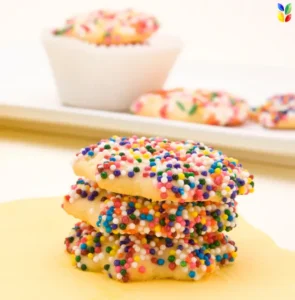
Shelf Stability — Protecting Color and Microbiology
- Challenges: Color fade, loss of crunch, moisture uptake during storage, and oxidative rancidity (for lipid-based protections).
- Technical levers:
- Packaging: High-barrier films, oxygen-scavengers, and nitrogen flushing limit oxygen and moisture ingress. Consider UV-protective films for light-sensitive pigments.
- Formulation hurdles: Minimize hygroscopic humectants, control solids content during panning, and use antioxidants compatible with clean-label claims.
- Processing: Reduce exposure to high temperatures and prolonged drying; optimize drying steps after panning to reach the target aw without pigment stress.
- Stability testing: Design accelerated and real-time protocols focused on color metrics (CIELAB), texture (force to fracture), and aw over the intended shelf life.
Practical Reformulation Path
- Define label constraints & target performance (color targets, textural profile, shelf life).
- Select primary pigments by color and stability profile (carotenoids for warm hues; encapsulated anthocyanins for purples/blues with pH management).
- Choose protective technology: microencapsulate heat/oxygen-sensitive pigments; use film-forming food proteins or pullulan for coatings.
- Pilot panning parameters: layering rate, drying temperature, and coating solids to lock pigment in an opaque sugar shell.
- Texture control: optimize sugar crystal size and use clean-label anti-caking agents.
- Package for protection: barrier films, desiccants, and oxygen control.
- Validate with colorimetry, texture analysis, and shelf-life studies.
Regulatory and Label Considerations
However, it is vital to ensure that you verify the status of each ingredient and its permissible use in your market of interest. “Clean label” is subjective and depends on transparency regarding encapsulating materials, carriers, and processing aids.
Reformulation Checklist
- Primary pigment selection and supply stability
- Encapsulation/coating strategy chosen and pilot tested
- Anti-caking approach aligned with clean-label policy
- Water activity and processing controls are in place
- Packaging and MAP/desiccant plan finalized
- Stability testing plan (color, texture, aw, sensory)
Natural sprinkles involve a multidisciplinary approach in terms of ingredients, processing, and packaging. For some manufacturers, the most efficient route to consistent color and texture is a combination of microencapsulation or film coating and optimized panning and protective packaging.
Are you ready to start your reformulation journey? Speak with our specialist today, or request a sample!