





\Your marketing team wants a new SKU for spring. Your tooling budget says no. Your R&D team has no spare weeks. Most brand teams know this problem well.
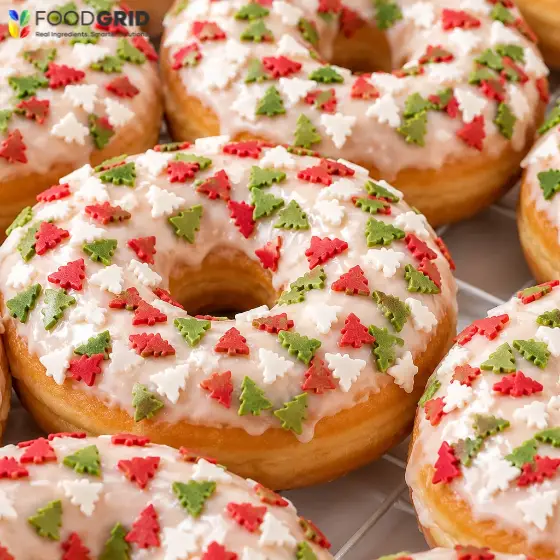
A seasonal blend can solve it. A blend uses sprinkles you already know. It changes the color story, not the format. You get a new look on the shelf without a new mold, a new line setup, or a new product to qualify from scratch.
Below is a plan for a limited edition built on natural sprinkles, plus the checks to run before you commit.
Shoppers Want Seasonal Products
A UK Bakery Trends 2026 survey reported by Bakery Info found that 71 percent of respondents actively look for seasonal flavors. The same report said limited edition bakery products grew 38 percent last Christmas over the year before.
U.S. data points the same way. The American Bakers Association reports that 70 percent of consumers like cookies to reflect the season. It also reports that 90 percent agree baked goods are a fun part of celebrations.
Spending tells a similar story. Circana projects food and beverage volume growth of negative 1 to positive 1 percent for 2026, with dollar growth of 3 to 5 percent. Shoppers are not buying many more items. They pay more per item when it feels special.
A limited edition gives shoppers that reason. A seasonal blend is one of the lowest-cost ways to build it.
What a Seasonal Blend Is
A seasonal blend is a planned mix of single color sprinkles. You pick the colors and the ratio. The mix tells a story for one moment in the year.
FoodGrid’s Individual Colors Fall Blend shows how this works. The line includes white, yellow, orange, green, dark green, pink, red, purple, and blue. Each color is its own sprinkle with its own ingredient statement. Named sources such as beet juice, annatto extract, paprika oleoresin, turmeric, spirulina extract, vegetable juice, and beta carotene supply the color.
Because each color stands alone, you can build many palettes from one family. Warm tones fit a harvest story. Red and pink fit Valentine’s Day. Soft tones fit spring. See the current options on the Natural Seasonal Blends page and the Natural Individual Colored Sprinkles page.
Ask our R&D team if a custom palette fits your formula before you lock a launch date.
Why Blends Beat New Tooling
A new shape needs a new tool. A new tool needs time and a minimum order. A blend skips both.
- Same format. Your line already runs the sprinkle, and your operators know how it flows. You skip a new equipment trial.
- Same documents. The base sprinkle already has a spec sheet, allergen declaration, and certificates. You update the color list, not the whole file.
- Same label story. Only the color sources in the ingredient list may change. Your clean label claim stays in place.
- Lower risk. If the limited edition sells, repeat it or grow it. If it does not, you have no money tied up in tooling.
Retailers use the same logic when they test a new flavor. They start small, read the result, and then decide.
Plan Q1 in November
Spring planning should start now. The calendar is short.
- Valentine’s Day, February 14: red, pink, white, and purple
- St. Patrick’s Day, March 17: green and white. Test green first, because natural green is the shade most likely to fade.
- Easter, March 28, 2027: soft yellow, pink, blue, green, and purple
Work backward from each date. Add time for color approval, a plant trial, label review, and shipping. Then add a buffer. A blend that looks right in a sample jar may need a small change after a real bake.
Start with one SKU, one blend, and one customer. Track sell-through for the full window. Use the result to plan the next run.
Check the Label Before You Print
Label rules keep changing, so check them early.
The FDA changed its approach to “no artificial colors” claims. The HHS announcement says companies may now make that claim when a product contains no petroleum-based colors. That helps a natural sprinkle blend. Still, review the full ingredient list of your finished product first. Every part of the product must support the claim, not only the sprinkle.
Texas adds another date. Its SB 25 warning label rule covers food labels developed or copyrighted on or after January 1, 2027. A federal court has blocked enforcement against members of the trade groups that sued while the case continues, as this legal summary explains. Many new limited edition labels will be created in 2027, so ask your regulatory team how the rule affects your artwork.
What to Confirm With Your Supplier
Natural colors vary more than synthetic dyes. A good supplier manages that with documents. Ask for these before you approve a blend:
- Full color source disclosure for each color in the blend
- Color match under your real bake and storage conditions
- An allergen declaration for the product and the plant
- Non-GMO and kosher documents that match your label claims
- Storage guidance. FoodGrid’s natural sprinkle spec calls for storage under 75 degrees Fahrenheit, relative humidity under 65 percent, and a well-ventilated space out of direct light. Green is sensitive to light and may fade in constant direct sun.
- Shelf life. The spec lists 15 months from the date of manufacture in a cool, dark place.
That shelf life lets you plan one spring run and still have product in date for the next one.
Write a One Page Plan
Write a short plan for each blend. Include:
- The occasion and the date
- The colors and the ratio
- The product and the line that will run it
- The test window and the sell-through target
- The date each approval must finish
Send the plan to R&D, procurement, quality, and sales on the same day. One shared plan stops a common problem: R&D finishes a trial, procurement has not ordered, and sales has already promised a date.
Start This Month
Limited editions reward speed. A blend that reaches the shelf before Valentine’s Day earns its place. A blend that arrives after the holiday ends up on markdown.
You do not need a large project. You need a palette, a pilot, a calendar, and clean documents. Brands that build that list in November have time to test. Brands that start in January take whatever line time is left.
Request a Sample Today
FoodGrid supplies natural sprinkle seasonal blends and individual colors with full documentation. Our team can help you build a palette for your next limited edition. Visit our Purchasing and Research and Development pages to see how we support new launches, or contact us to request a sample.
Real Ingredients. Smarter Solutions.


