


By the time your spring SKUs are shipping to retail, your summer line should be in final validation, not still waiting on decisions about decorative ingredients.
Most bakery and food manufacturing teams know this. Most still fall behind. And the bottleneck is rarely the core formula.
It’s the finishing layer.
Natural colored sprinkles, sugar toppers, and seasonal decorative elements are consistently among the last ingredient decisions made and the first to cause launch delays. For procurement teams managing tight retail calendars, that inversion is expensive.
What a Two-Week Delay Actually Costs
A two-week slip at the decorative ingredient stage doesn’t just push your launch date. It compresses your retail window, reduces time on shelf, and cuts into per-SKU margin before the product has a chance to build repeat-purchase velocity.
For a summer SKU built to move in June and July, a late entry isn’t a minor inconvenience. It’s a measurable revenue gap, one that often traces back to an ingredient sourcing decision that could have been made four to six weeks earlier.
Why the Decorative Layer Is Your Fastest Seasonal Lever
Your core formula doesn’t move between seasons. Base systems, fat, leavening, and moisture targets none of it changes when you transition from spring pastels to summer brights.
The decorative layer changes. And when managed correctly, it changes fast.
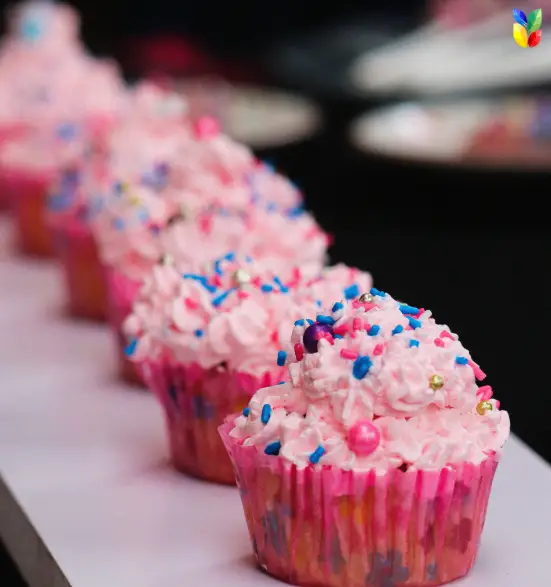
Natural sprinkles carry the seasonal visual identity of your product. Soft lavenders and mint greens read spring. Bold reds, saturated yellows, and ocean blues read summer immediately, across every retail touchpoint. Same formula. Different finish. New SKU.
That means no reformulation. No new safety testing on your base. No QA review of the core. Validate the decorative ingredient, confirm your application parameters, and your line is ready to produce.
For teams running compressed launch calendars, that’s the fastest path between seasons available to you.
Why B2B Teams Still Fall Behind
If the formula doesn’t change, why do delays keep happening? Three consistent root causes.
Lead times are underestimated. Natural colored sprinkles require more supply chain coordination than synthetic alternatives. Plant-based pigments have longer production cycles and tighter raw material windows. If your summer ingredient order goes in when your spring line launches at retail, you’re already behind. Commercial lead times for natural colored sprinkles typically run four to eight weeks, depending on color range and pack format.
Color specs aren’t locked early enough. QA teams that wait for the finalized marketing brief before starting color validation routinely lose two to three weeks on that step alone. Color validation should run in parallel with marketing development, not after it. You can validate a color range against your visual standards before final packaging is approved.
Inconsistent ingredient formats create rework. If your spring decorative blend runs in a specific format and your supplier doesn’t carry that format in summer colorways, you’re forced into a format change mid-transition. That triggers a new application test, which delays your line. Sourcing spring and summer decoratives from the same supplier in the same pack and application format eliminates this problem.

Building a Transition Ready Sourcing Strategy
Three levers matter most: supplier alignment, internal sequencing, and format consistency.
Supplier alignment means your ingredient partner knows your seasonal calendar before you need product, not when you place the order. Share your launch windows and volume forecasts early. A supplier who knows you’re transitioning in late April can reserve capacity and manage raw material lead times accordingly. One hearing from you two weeks before you need the product cannot.
FoodGrid’s natural-colored sprinkles line is built for this kind of partnership: individual color SKUs and seasonal blends, with complete QA documentation (lot-level COAs, allergen statements, color spec ranges) ready at onboarding, not on request.
Internal sequencing means starting decorative ingredient validation before the season officially turns. Spring line launching in March? Summer ingredient validation should begin in February. That buffer gives your QA team room to resolve application or color variance issues before they’re under launch pressure.
Format consistency means sourcing seasonal decoratives from the same supplier in the same pack and application format, year-round. When your decorative ingredient behaves the same on the line regardless of the season, your team doesn’t retune equipment or recalibrate coverage rates. That single discipline saves a full day of production setup per transition.
QA Validation: What to Get Right Before Your First Run
The primary QA concern when transitioning to natural summer colorways is batch-to-batch color variance. Plant-based pigments shift more than synthetic alternatives. The solution isn’t more testing, it’s smarter standards.
Three things your QA process should include:
A color specification with an acceptable range, not just a target value. Your supplier should provide this with every shipment as a matter of course.
A documented visual standard for each seasonal SKU. Photograph an approved production unit under controlled lighting. That’s your reference. Every subsequent run gets compared against it.
A controlled application protocol. Coverage rate, substrate condition, and timing all affect final appearance. Document these variables once, and your results become repeatable lot to lot, season to season.
Performance by Color Category
Not all natural colors perform equally at production temperatures. Building this into your validation process eliminates surprises on the production floor.
- Reds and oranges (vegetable and fruit sources): Stable at 325 360°F, strong contrast on light substrates. Reliable across most baked applications.
- Yellows (turmeric, beta carotene): Highly stable, excellent color payoff at low coverage rates. Well-suited for warm-toned seasonal blends.
- Blues and purples (spirulina, butterfly pea flower): Heat sensitive above 350°F. Best applied post-bake for heated applications; excellent for ambient and no-bake formats.
- Bright greens: Can shift toward olive at higher heat. Always test against your specific oven profile and substrate before committing green as a primary seasonal color.
Allergen Controls During Seasonal Changeovers
Seasonal transitions are a consistent risk point for allergen protocol drift. New ingredients arrive, changeovers accelerate, and QA processes that run tight during normal production can loosen under launch pressure.
Treat every seasonal decorative ingredient as a new ingredient for allergen protocol purposes, regardless of similarity to prior lots. Request the allergen statement for the new lot. Confirm it matches the previous one. If there are any changes in facility status or shared equipment disclosure, evaluate before the ingredient enters production.
This isn’t a compliance exercise. It’s risk management for your production run, your retail buyers, and the end consumers who depend on accurate labeling.

Share Your Volume Forecast Now
Your supplier cannot hold inventory for volumes they don’t know about. Waiting until a summer SKU is formally approved before sharing a forecast puts you in competition with every other manufacturer who missed the same planning window.
Provide a volume range when your product development team begins working on the summer line. It doesn’t need to be precise a range gives your supplier the signal needed to manage lead times and reserve capacity. For seasonal blend formats specifically, this matters: blends aren’t stocked in large quantities between demand peaks. Suppliers who know your volume in advance can plan for it. Those hearing from you two weeks before you need the product cannot.
The Transition Checklist
If your spring line is live, summer transition activities should already be underway.
- Lock your summer color palette before the marketing brief is finalized, not after.
- Contact your supplier with summer volume forecasts and target ship dates.
- Pull allergen statements and COAs for all intended summer decorative ingredients. Flag any changes before production begins.
- Run a bench application test coverage rate, adhesion, and color stability at your standard oven temperature. Document the results.
- Set your QA visual standard using an approved test unit under controlled lighting. File it before your first full production run.
No reformulation required. Your launch window stays intact.
The Formula Doesn’t Change. The Plan Does.
The spring-to-summer transition is a fixed event on every bakery team’s calendar. The teams that fall behind aren’t dealing with a formula problem; they’re dealing with a procurement and planning problem.
Lock your palette before the brief. Align your supplier before your production window opens. Run validation in parallel with marketing. Keep your ingredient format consistent across seasons.
Execute those four steps and your summer launch runs on time. Your retail buyers get what they committed to. Your margins don’t take a late entry hit.
Visit foodgridinc.com to see the full natural colored sprinkles range with complete QA documentation, or reach out to the FoodGrid team directly with your summer launch dates. We’ll work backward from there.
Real Ingredients. Smarter Seasonal Transitions.