


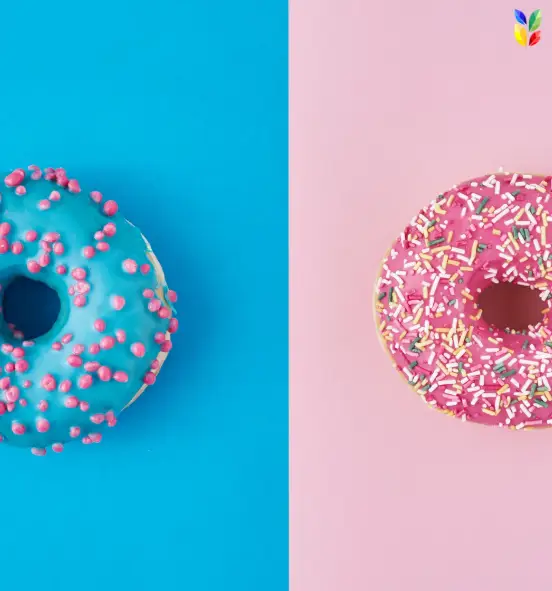
When it comes to food manufacturing, the color is not an afterthought; it is a brand attribute. Before a consumer tastes a cookie, pastry, or frozen-to-bake product, the color says something about quality, freshness, and identity. During a peak period like the holidays, the signal about color is consistent, scalable, and unmistakable.
This can be a problem for foodservice manufacturers, for frozen-to-bake companies, and for bakery chains. Using standard colors for each season can lead to sameness, since pink looks the same as all other pink. Rather, the product should stand out.
The opportunity is to blend individual bulk colors to produce a new, proprietary, and signature-like holiday color combination that is both aesthetically proficient and operationally efficient. This article reveals how to create brilliant pink-centric color combinations that span production formats without increasing complexity.
Why Custom Color Blending Matters in B2B Food Production
Consistency is extremely essential in high-volume food manufacturing. However, consistency across different segments does not imply consistency across different brands. Excessive reliance on pre-mixed colors may undermine brand differentiation.
The Business Value of Signature Color Blends
Custom color blending allows manufacturers to:
- Establish a recognizable visual identity across SKUs and locations
- Reduce dependence on single, pre-formulated seasonal colors
- Adapt holiday themes without reformulating base products
- Improve sourcing flexibility by relying on core bulk colors year-round
For bakery chains and frozen-to-bake producers, this approach supports faster rollouts, easier training, and tighter quality control during high-demand periods.
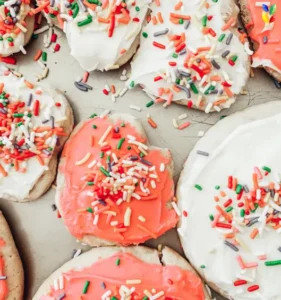
Individual Bulk Colors as Strategic Building Blocks
Individual bulk colors should be viewed as modular components—not finished solutions. When treated as building blocks, they offer far more flexibility than pre-blended colors.
Benefits of Using Individual Colors
- Precision: Fine-tune tone, brightness, and saturation
- Repeatability: Documented ratios ensure batch-to-batch consistency
- Inventory Efficiency: Fewer SKUs to manage year-round
- Supply Resilience: Easier substitutions when supply constraints arise
This modular approach is especially effective in bakery and frozen applications, where color must perform consistently through mixing, freezing, baking, and display.
Pink as a Core Seasonal Color
Pink plays a central role in seasonal and holiday bakery programs. It signals celebration, sweetness, and approachability—making it particularly effective for desserts, pastries, and decorated baked goods.
Functional Advantages of Pink Blends
Pink-forward blends allow manufacturers to:
- Create visual warmth without overpowering products
- Appeal to a broad demographic range
- Transition easily between holiday and promotional themes
- Maintain color clarity after baking
Pink also offers greater flexibility than darker hues, making it easier to adjust intensity for different product lines while maintaining brand cohesion.
Building a Signature Pink Holiday Blend
Creating a proprietary color blend requires a structured, repeatable process. This ensures visual consistency across facilities, formats, and production runs.
Step 1: Define the Brand Intent
Start by identifying what the color should communicate:
- Soft and premium
- Bright and celebratory
- Modern and minimal
Bakery chains often benefit from defining a controlled color range rather than a single shade, allowing variation across products while maintaining visual alignment.
Step 2: Establish a Neutral Foundation
Neutral bases, such as white or cream, help regulate saturation and improve distribution. In frozen-to-bake doughs, this also supports even color dispersion before baking.
Step 3: Build Pink Gradually
Pink pigments can vary significantly in strength. Introduce color incrementally and document ratios precisely. This is critical for scaling from test batches to full production.
Step 4: Adjust for Processing Effects
Account for color shifts caused by:
- Baking temperatures and dwell times
- Sugar content and caramelization
- Fat levels and moisture migration
Final evaluations should always be conducted post-bake or post-processing.
Application Considerations by Production Format
Frozen-to-Bake Products
Frozen doughs and batters require colors that remain stable through freeze-thaw cycles and baking.
Best practices include:
- Testing blends through full production simulations
- Evaluating finished product color, not raw dough
- Monitoring consistency after extended frozen storage
Foodservice and In-Store Bakery
For bakery chains, visual consistency across locations is critical to brand perception.
Custom pink blends support:
- Centralized formulation with distributed baking
- Reduced need for store-level adjustments
- Faster onboarding and fewer errors during peak seasons
Icings, Fillings, and Decorative Elements
Using the same base blend across icings, glazes, and inclusions reinforces brand identity and creates a cohesive holiday presentation.

Operational Advantages of Bulk Color Blending
Custom blending offers measurable operational benefits beyond aesthetics.
Simplified Inventory Management
Relying on a small set of core colors instead of multiple seasonal SKUs reduces:
- Storage requirements
- Obsolete inventory after the holidays
- Last-minute sourcing challenges
Faster Product Development
With pre-approved base colors, R&D teams can prototype new seasonal items quickly without waiting on new color formulations.
Improved Supply Chain Flexibility
Bulk individual colors are typically easier to source and scale, providing greater resilience during peak production periods.
FoodGrid supplies commercial-scale ingredient solutions engineered to meet the consistency, performance, and volume demands of foodservice and bakery manufacturers.
Quality, Compliance, and Labeling
Color system: The system has to conform to regulations and be documented.
Color additives, according to the U.S. Food & Drug Administration, shall be listed properly and used within specified limits in accordance with intended uses.
(Source: FDA – Color Additives Overview) Bulk colors help ensure easier regulation compliance, traceability, and audits—all of which are critical for multi-venue foodservice businesses.
Supporting Sustainability and Waste Reduction
Custom color systems also contribute to sustainability goals.
They help manufacturers:
- Reduce excess seasonal inventory
- Minimize reformulation waste
- Improve first pass yield through accuracy
For high-volume bakery and frozen-to-bake producers, small improvements in batch accuracy can significantly reduce food waste over time.
Moving Beyond One-Size-Fits-All Seasonal Colors
There are more food brands in the B2B arena looking beyond pre-blended seasonal shades and focusing on flexible, brand-specific models. Custom pink-forward blends enable food brands to control their brand identity while still having operational control.
This method is also in line with industry trends in modularity, as well as greater efficiency and differentiation. FoodGrid is a way for foodservice manufacturers and bakery companies to execute ingredient strategies for these goals.
If you are ready to take the next step beyond standard seasonal color schemes and are prepared to create a scalable signature color scheme for holidays, FoodGrid is ready to assist. Partner with FoodGrid to access bulk individual colors and ingredient solutions designed for B2B foodservice, bakery, and frozen-to-bake production or you can request a sample.