



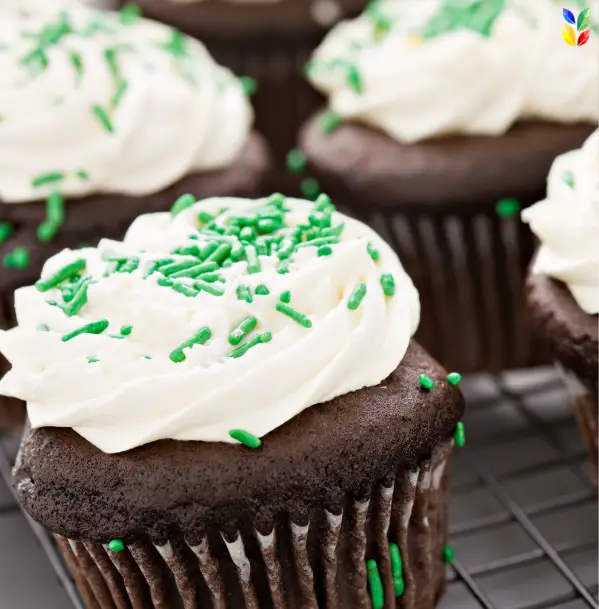
Color is not decoration—it is a revenue driver. In spring merchandising cycles, green is consistently one of the highest-performing visual cues in bakery and snack categories. For procurement managers, operations heads, and CFOs, this presents a clear opportunity: leveraging green natural sprinkles is not just an aesthetic choice—it is a measurable strategy to increase seasonal sales, accelerate product turnover, and capture impulse purchases.
Spring Color Psychology: Why Green Natural Sprinkles Drive Seasonal Purchasing
Color as a Commercial Lever in Food Retail
In retail environments, purchasing decisions are often made in seconds. Color is one of the first elements consumers process, and it directly influences perception, appetite, and urgency.
Studies in consumer behavior show that up to 90% of snap judgments about products can be based on color alone. This is particularly relevant in bakery and snack categories, where visual appeal drives impulse buying.
For B2B stakeholders, the implication is direct:
- Color selection impacts conversion rates
- Visual differentiation influences shelf performance
- Seasonal alignment increases product relevance
Green, in particular, becomes dominant during spring due to its strong psychological associations.
Spring is a limited window—but the opportunity is immediate. Request a sample here or contact our specialist.
The Psychology of Green in Spring Purchasing
Green is universally associated with:
- Freshness
- Nature
- Health
- Renewal
During spring, these associations intensify due to environmental and cultural cues—new growth, seasonal transitions, and health-conscious consumer behavior.
From a commercial perspective, green signals:
- “Better-for-you” positioning
- Natural ingredients
- Clean-label alignment
Research indicates that consumers perceive green-colored food products as healthier and more natural, even when the formulation is identical. This perception alone can significantly influence purchasing decisions.
For procurement and finance leaders, this creates a strategic advantage:
Green inclusions can increase perceived product value without altering core formulations.
Why Green Natural Sprinkles Outperform Artificial Alternatives
Artificial green colors often fail to align with current consumer expectations. Bright, synthetic shades can trigger skepticism around ingredient quality.
In contrast, natural green sprinkles—derived from sources such as spirulina, matcha, or chlorophyll—offer:
- Softer, more authentic color tones
- Alignment with clean-label claims
- Compatibility with premium positioning
This distinction is critical in retail environments where consumers increasingly read labels and evaluate ingredient transparency.
Natural green inclusions allow manufacturers to:
- Maintain visual appeal
- Meet retailer requirements
- Strengthen brand credibility
Visual Merchandising: Driving Shelf Impact
Visual merchandising is a key driver of retail success, particularly in high-traffic categories like bakery and snacks.
Green sprinkles enhance merchandising effectiveness by:
Creating Seasonal Relevance
Products that visually align with spring themes stand out immediately. Green signals seasonality without requiring additional messaging.
Improving Shelf Visibility
In categories dominated by neutral tones (breads, pastries), green provides contrast, making products more noticeable.
Supporting Thematic Displays
Green inclusions integrate seamlessly into spring displays, including:
- Garden-inspired packaging
- Easter and spring holiday assortments
- Fresh and natural product lines
Retailers prioritize products that contribute to cohesive merchandising strategies.

Impulse Buying: The Revenue Multiplier
Impulse purchases account for a significant portion of bakery and snack sales. Color plays a critical role in triggering these decisions.
Green natural sprinkles contribute to impulse buying by:
- Signaling freshness at first glance
- Creating emotional associations with health and renewal
- Differentiating products from competitors
Behavioral research shows that visually appealing products are more likely to be picked up without prior intent. Once in hand, the likelihood of purchase increases significantly.
For CFOs, this translates into:
- Higher conversion rates
- Increased average transaction value
- Faster inventory turnover
Limited-Time Offerings (LTOs): Leveraging Seasonal Urgency
Spring is a prime window for limited-time product launches.
Green sprinkles are particularly effective in LTO strategies because they:
- Instantly communicate seasonality
- Require minimal reformulation
- Enable rapid product rollout
Benefits of LTOs for B2B Manufacturers
- Demand Generation
Seasonal exclusivity creates urgency, driving faster purchasing decisions. - Market Testing
LTOs allow manufacturers to test new concepts with lower risk. - Retail Engagement
Retailers are more likely to feature seasonal products in promotions and displays.
Green-themed products—such as spring cupcakes, frosted cookies, and snack bars—consistently perform well due to their visual alignment with seasonal expectations.
Operational Efficiency in Seasonal Production
From an operations standpoint, green natural sprinkles offer flexibility and scalability.
Key Advantages
Minimal Reformulation
Sprinkles can be added without altering base recipes, reducing R&D time.
Production Line Compatibility
Modern natural sprinkles are designed for:
- Consistent flow
- Heat stability
- Low color bleed
Inventory Optimization
Seasonal inclusions can be integrated into existing SKUs, reducing complexity.
This allows operations teams to respond quickly to seasonal demand without significant disruption.
Financial Impact: Translating Color into ROI
While color may seem like a minor detail, its financial impact is substantial.
Revenue Drivers
- Increased shelf visibility leads to higher sales volume
- Premium perception supports higher pricing
- Seasonal relevance improves sell-through rates
Cost Considerations
- Natural sprinkles may carry a higher unit cost
- However, they reduce long-term risks associated with reformulation and compliance
Net Effect
Higher margins + lower risk = stronger overall profitability
For CFOs, investing in natural green inclusions is not an expense—it is a strategic allocation of resources toward revenue growth.

Clean Label Alignment: Strengthening Market Position
Green natural sprinkles align directly with clean-label trends.
They support claims such as:
- No artificial colors
- Plant-based ingredients
- Transparency in sourcing
This alignment is critical for:
- Retail approval processes
- Consumer trust
- Brand differentiation
Manufacturers that integrate clean-label inclusions are better positioned to meet both current and future market demands.
Strategic Sourcing: Partnering for Seasonal Success
To fully leverage green natural sprinkles, a sourcing strategy is key.
Reliable suppliers should provide:
- Consistent color quality
- Scalable production capacity
- Regulatory documentation
- Clean-label certification support
These solutions are designed to support seasonal innovation while maintaining operational efficiency and compliance.
Application Opportunities Across Categories
Green natural sprinkles can be applied across a wide range of products:
Bakery
- Cupcakes
- Cookies
- Donuts
Snacks
- Granola bars
- Trail mixes
- Chocolate-coated snacks
Frozen Desserts
- Ice cream
- Frozen yogurt
Seasonal SKUs
- Spring-themed assortments
- Holiday-specific products
Their versatility makes them a low-risk, high-impact addition to product portfolios.
The Bottom Line
Green is more than a color—it is a strategic tool for driving seasonal purchasing behavior.
By leveraging green natural sprinkles, manufacturers can:
- Enhance visual merchandising
- Increase impulse purchases
- Accelerate seasonal product launches
- Strengthen clean-label positioning
- Improve financial performance
In a competitive retail landscape, small visual changes can deliver significant commercial results.
Evaluate your current product lineup and identify where seasonal color can drive incremental revenue. Transition to clean-label green sprinkles that align with both retail expectations and consumer demand.
Start optimizing your seasonal strategy today. Contact our specialist or request a sample. Spring is a limited window—but the opportunity is immediate.