




Reformulating puff pastry should not mean sacrificing the rich, iconic butter aroma customers expect. Yet for many R&D teams, every attempt to cut costs, remove trans fats, or shift to plant-based fats starts to unravel the delicate balance between flavor, texture, and performance. The challenge is real—but solvable.
Reformulating Puff Pastry: Keeping That Signature Butter Taste (Without the Butter)
- The Tension: Matching Butter’s Performance and Sensory Impact
Butter is both a functional and emotional ingredient. Its melting curve, water activity, and flavor volatiles work together to produce the laminated flakiness and aroma consumers associate with premium pastry. But industries are moving fast—toward lower costs, cleaner labels, reduced saturated fat, and elimination of PHOs or trans fats.
This creates a persistent tension for developers:
How do you maintain a high-end butter sensory profile while using specialized margarines or fully plant-based pastry fats?
When R&D teams attempt reformulation, three issues typically emerge:
- Loss of aromatic lift during baking
- Diminished richness in the mid-palate
- Harder handling when switching to fats with different plasticity
- Weaker consumer acceptance, even when flakiness and volume remain intact
Butter is inherently expensive and sensitive to supply fluctuations. Meanwhile, margarine systems—though cost-effective and consistent—often fall short on the emotional cues of butter: the nutty top notes, the dairy roundness, the creamy mouthfeel.
This is the core challenge in puff pastry reformulation: matching the functionality of lamination fat while preserving the sensory experience of real butter.
- Flavor Systems: Achieving a Butter-Like Profile Without Traditional Butter Volatiles
Modern flavor chemistry allows developers to create rich butter-like profiles without relying on the volatile compounds traditionally associated with dairy, including diacetyl. This is especially valuable for teams working around regulatory or labeling limitations.
Key strategies include:
- Building a layered butter flavor system
Butter perception comes from more than one molecule. A balanced system typically includes:
- Creamy base notes (lactone contributors for depth and milkiness)
- Cooked butter volatiles (for Maillard-based aromatic lift)
- Top-note enhancers that survive lamination and high-heat baking
- Fat-soluble carriers that disperse evenly through plant-based pastry fats
Well-designed systems compensate for drawbacks in margarine matrices that lack natural buttery compounds and can mute flavor release.
- Diacetyl-free solutions for clean-label positioning
Consumer interest in clean-label pastry—especially in retail or foodservice premade doughs—has driven demand for diacetyl-free natural butter flavors. These alternatives capture butter complexity without triggering regulatory thresholds or allergen concerns.
- Flavor encapsulation for baking stability
Encapsulated butter flavors offer two advantages:
- Heat protection, preserving aromatic intensity
- Controlled release, so butter notes emerge precisely during baking
For puff pastry, controlled release ensures a freshly baked butter aroma even when no dairy fat is present.
- Clean-Label Lamination: Building Trans-Fat-Free Margarine with Butter-Like Performance
Transitioning away from partially hydrogenated oils (PHOs) created major lamination challenges across the industry. Puff pastry requires a plastic, stable, and water-controlled fat that can withstand:
- Repeated folds
- Mechanical stress
- High-heat oven conditions
- Structuring trans-fat-free pastry margarine
A successful plant-based lamination fat must replicate butter’s crystalline behavior. This is achieved with structured blends of:
- Palm or palm fractions for baseline solidity
- High-oleic vegetable oils for plasticity
- Interesterified fats for uniform crystal formation
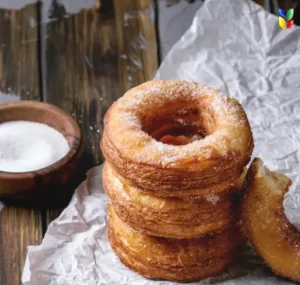
These systems allow controlled plasticity at lamination temperature—typically 55–60°F (13–16°C)—preventing cracking, smearing, or blowouts.
- Maintaining the “steam lift” effect
Butter’s water content contributes to puff pastry volume by generating steam. Plant-based lamination fats must be balanced to achieve the same effect without destabilizing the layers.
Developers refine:
- Emulsifier systems
- Aqueous phase percentages
- Salt content and pH
to mimic butter’s steam-release behavior.
- Ensuring clean-label compliance
The challenge intensifies when brands require:
- No artificial flavors
- No PHOs
- No mono-/diglycerides
- Non-GMO oils
- Simple pantry-style ingredients
Despite these constraints, trans-fat-free lamination bases can still match butter’s functional and sensory performance when combined with tailored natural flavor systems.
- Taste Panel Learnings: What Actually Works in Puff Pastry and Croissant Applications
FoodGrid’s work with commercial R&D teams provides a clear picture of what drives success in butter-replacement pastry reformulation. Across sensory panels—both expert and consumer—we see consistent patterns.
- Butter-like flavor can absolutely be matched without dairy
Panels repeatedly show high liking scores when:
- Mid-palate creaminess is preserved
- Aromatic top notes emerge during baking
- Flavor release profiles match butter timing
In both puff pastry and croissants, consumers respond most to fresh-baked aroma, not just flavor in the bite.
- The biggest risks come from fat phase adjustments—not flavor
When developers change the lamination fat, small shifts in:
- melting profile
- water migration
- crystal structure
can impact texture dramatically. However, once the fat base is structurally sound, flavor systems integrate smoothly and perform predictably.
- Positive results in blind comparisons
In multiple trials, pastries made with specialized plant-based lamination fats and natural butter-type flavors scored:
- Near parity with butter controls on aroma
- Equal or higher scores for flakiness
- Higher liking for color uniformity and handling consistency
This proves that a non-butter puff pastry can compete directly with premium butter products—when properly engineered.
- FoodGrid’s Technical Support: Enabling Taste-Preserving Reformulations
FoodGrid supports R&D teams throughout the entire reformulation process, combining ingredient expertise, sensory science, and application testing.
Our technical partners work with pastry developers to address:
- Fat selection and compatibility
Choosing the right lamination system is foundational. We help evaluate:
- Plasticity range
- Crystal structure
- Steam generation behavior
- Handling stability under commercial processing
- Flavor integration
We guide teams on:
- Selecting clean-label or diacetyl-free butter flavor systems
- Matching specific regional or brand-owned butter profiles
- Ensuring heat-stable aromatic retention
- Optimizing dosage for both aroma and cost targets
- Baking performance testing
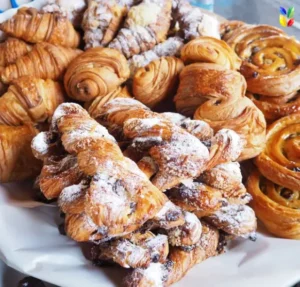
Our sensory and application support includes:
- Volume and flake analysis
- Layer integrity testing
- Bake-off simulations under commercial conditions
- Expert sensory panels
- Troubleshooting reformulation failures
Common help requests include:
- Off-notes from plant oils
- Aromatic collapse during baking
- Waxiness from poorly structured fats
- Inconsistent lift or color
FoodGrid provides direct solutions built on real performance data.
- Supplier collaboration
We maintain strong relationships with ingredient manufacturers and flavor houses, allowing us to match your performance targets with the best available technologies.
- Practical Recommendations for R&D Teams
- Start with the fat matrix—not the flavor.
Flavor enhancement cannot fix improper fat functionality. Select or design a lamination fat that mimics butter’s performance at your processing conditions.
- Use multi-layered butter flavor systems.
Single-note flavors rarely achieve true butter complexity. A combined system provides aromatic lift, creamy depth, and a freshly baked signature.
- Conduct a controlled bake-off.
Small variations in oven temperature, dough resting, or lamination temperature skew results. Standardize for accurate comparisons.
- Perform consumer testing early.
Developers often overemphasize handling characteristics and underemphasize aroma. Consumer perception should guide the formulation, not just technical preference.
- Consider clean-label demands from the start.
Having to retrofit a flavor system at the end of development creates complications. Build your clean-label compliance into the initial design.
External References
- USDA Research on Dairy Volatiles: https://www.usda.gov/
- Institute of Food Technologists (IFT) – Lipid Functionality in Foods: https://www.ift.org/
- FDA Guidance on Trans Fats and PHO Removal: https://www.fda.gov/
- Food Chemistry Journal – Studies on Butter Aroma Compounds: https://www.sciencedirect.com/journal/food-chemistry
Conclusion: Reformulating Puff Pastry Without Losing the Butter Experience Is Absolutely Achievable
Whether your goal is cost reduction, clean-label compliance, supply-chain stability, or full plant-based transformation, butter-like flavor and performance can be preserved. With the right combination of lamination fat engineering, natural flavor system design, and controlled baking validation, your new puff pastry line can maintain the sensory gold standard consumers demand.
FoodGrid supports teams through every step—from ideation to commercial rollout—ensuring your reformulated pastry delivers the buttery aroma, flakiness, and consumer satisfaction your brand is known for.
Ready to Reformulate Without Compromise?
If you’re developing a new puff pastry, croissant, or laminated dough application and want to retain that signature buttery profile, FoodGrid can help you get there faster and more reliably.
👉 Contact our specialist or request a sample.
Let’s build your next-generation pastry—without sacrificing the butter experience your consumers love.